A simple approach to Bible study: read in context, ask thoughtful questions, discuss with others and put one lesson into practice.
Bible study helps us listen carefully to Scripture and carry its teaching into everyday life.
Start with the passage in front of you
Bible study is an opportunity to listen carefully before rushing to a conclusion. Choose a short passage and read it more than once. Notice who is speaking, who is being addressed and what happens immediately before and after the verses you have chosen.
Context matters. A sentence can be misunderstood when it is separated from the surrounding story, letter or teaching. Reading the wider passage helps us ask better questions and resist using Scripture simply to confirm what we already think.
Observe, understand and respond
A useful study rhythm has three parts. First, observe what the text actually says. Then ask what it means in its context. Finally, consider how its teaching might shape your choices, attitudes and relationships.
Write down unfamiliar words, repeated ideas and questions you cannot yet answer. You do not need to resolve everything immediately. Thoughtful study includes patience and a willingness to learn from others rather than treating every first impression as a final answer.
Learn in community
Discussing a passage with other believers can reveal details we have overlooked. Listen to different observations, return to the text together and ask questions respectfully. A healthy conversation gives people room to learn without embarrassment.
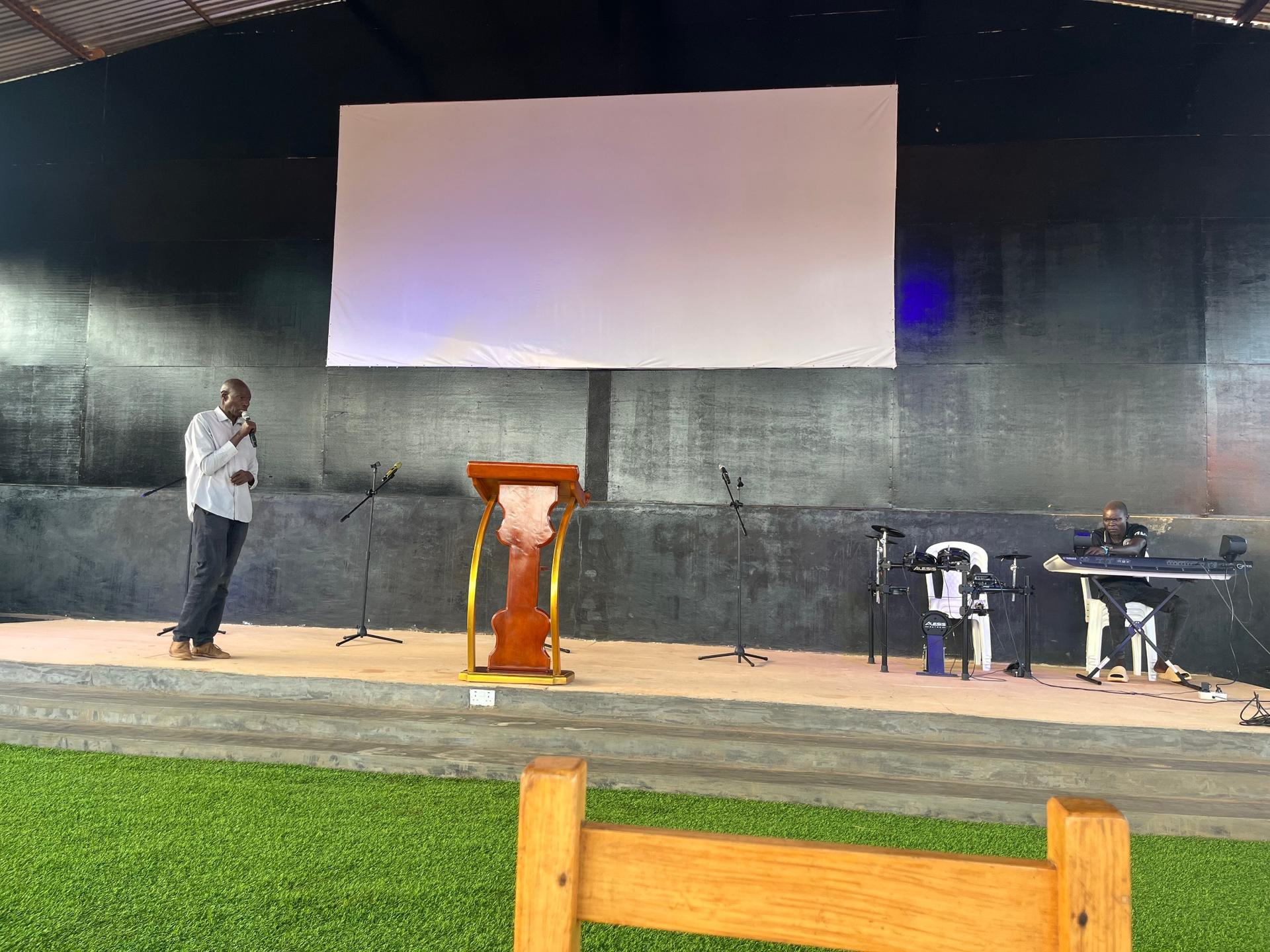
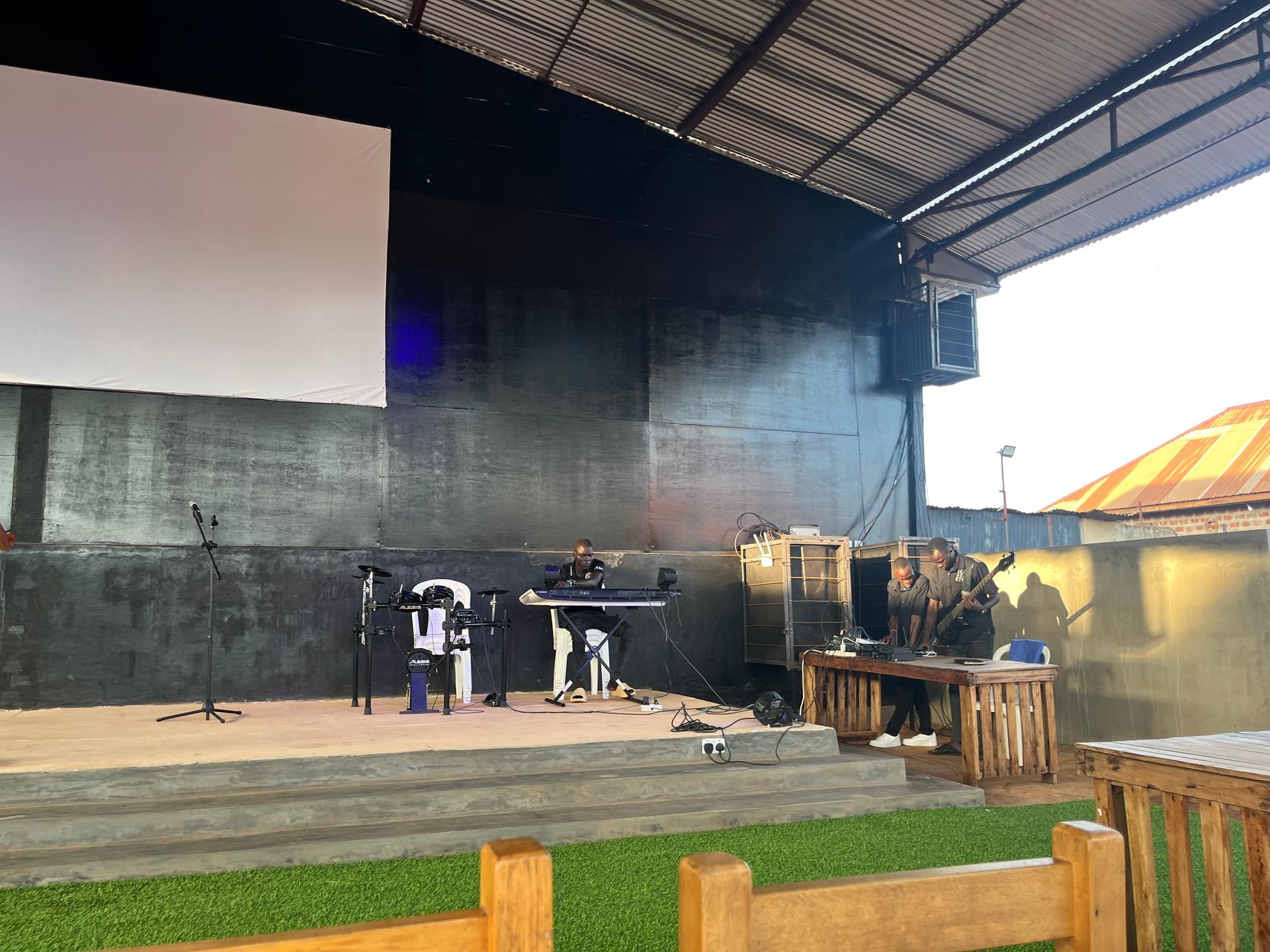
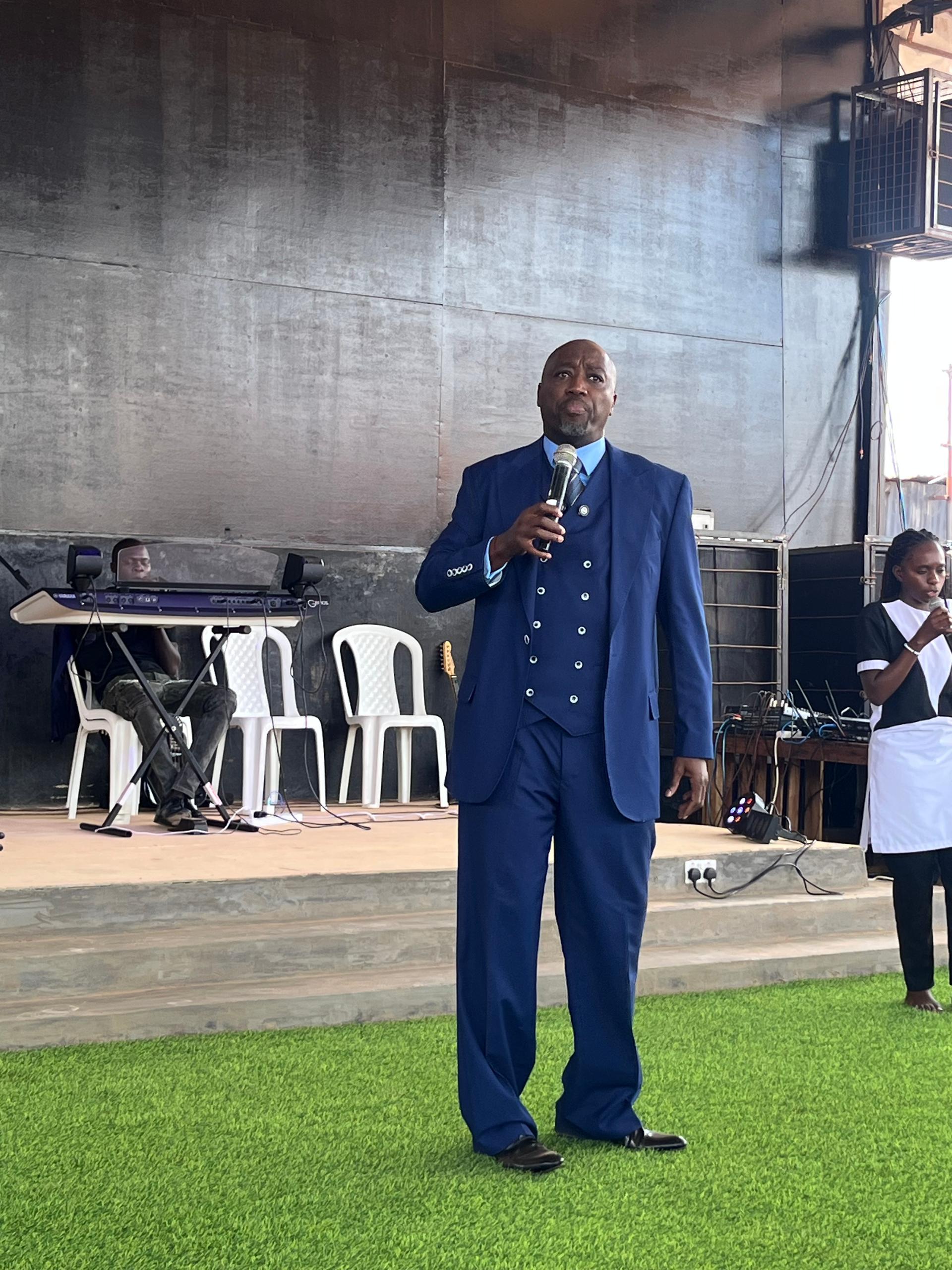
At KDC Uganda, Wednesday Bible study runs from 6:00 PM to 9:30 PM EAT. Bring your Bible and questions, and use the gathering as a starting point for reflection during the rest of the week. Contact the team if you need directions or practical information before coming.
Carry one lesson into daily life
James 1:22 connects hearing the Word with putting it into practice. After studying, choose one specific response. It might be an apology you need to make, a commitment to speak truthfully, an act of generosity or a change in how you treat someone.
Keep that response small enough to act on and clear enough to remember. Return to the passage later in the week and reflect on what you are learning. Growth often becomes visible through repeated, ordinary choices rather than a single dramatic moment.
Plan a visit to KDC or explore the sermon library for more teaching. As you listen and read, keep bringing your attention back to Scripture and the practical response it invites.